Date: 2021/4/10 11:09:48 Source: Kunming Institute of Botany, Chinese Academy of Sciences Author: Xu Jianchu Views: 4514
| Researchers led by Xu Jianchu (Kunming Institute of Botany, CAS) and Sheng Jun (Yunnan Agricultural University), together with 25 colleagues from the UK, Brazil, Mexico, Japan, South Korea and elsewhere, reviewed the world's wild edible mushrooms. Compiling 9,783 records of 2,786 species from 99 countries in 18 languages (1849–April 2020) and applying a new evidence-based classification, they confirmed 2,189 edible species — 2,006 safe to eat and 183 edible after pre-treatment — plus 50 toxic species, and classed 471 species with missing or incomplete evidence as of uncertain edibility. |
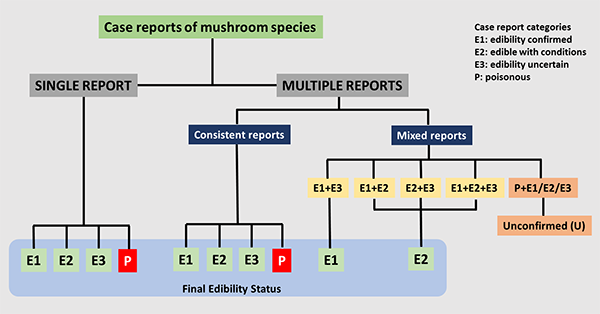
As science advances, fewer and fewer species remain undescribed — fungi are the exception: the fungi described by scientists may amount to less than a tenth of the species in nature. Wild edible fungi are indispensable to the diets and incomes of mountain peoples, and as living standards rise, urban demand for new edible fungal resources is growing, so the safety of eating wild mushrooms attracts wide attention. People's knowledge of edible wild mushrooms originally came from the traditional collection and use of mushrooms by communities around the world, but evidence on edibility is incomplete and sometimes ambiguous, and mushroom poisonings are common. The safety of wild edible mushrooms urgently needs scientific verification. Recently, the team of Xu Jianchu at the Kunming Institute of Botany, CAS, and the team of Sheng Jun at Yunnan Agricultural University, together with 25 researchers from the UK, Brazil, Mexico, Japan, South Korea and other countries, carried out a global review of wild edible mushrooms. They systematically compiled edibility data from 99 countries in 18 languages published between 1849 and April 2020 — 9,783 records of 2,786 mushroom species — and developed a new evidence-based classification system. They confirmed 2,189 edible species, including 2,006 that are safe to eat and 183 that are edible after pre-treatment, as well as 50 toxic species. Taking a rigorous approach, the team classed 471 species with missing or incomplete evidence as being of uncertain edibility. The study re-examined the taxonomic information on the world's edible wild mushrooms, producing the most comprehensive scientific list to date, showing the distribution of wild edible mushroom resources and the associated traditional knowledge of collection and use, and establishing Asia's leading position in this field. It analysed edibility at the genus level: although Russula and Amanita have the largest numbers of edible species, these represent only a small proportion (11%) of all species in the genera, and both genera include many deadly species, indicating low safety — the study particularly cautions against collecting such wild mushrooms. By contrast, Auricularia and Termitomyces have no records of uncertain edibility or toxicity, and edible species account for more than 50% of their species, indicating high safety. For species with conflicting reports of edibility and toxicity, the study stresses the need for more objective scientific information and recommends that future reports of edibility cite their sources explicitly. The results were published as “Reviewing the world's edible mushroom species: A new evidence-based classification system” in Comprehensive Reviews in Food Science and Food Safety.
Figure 1. Workflow of the evidence-based classification of mushroom edibility
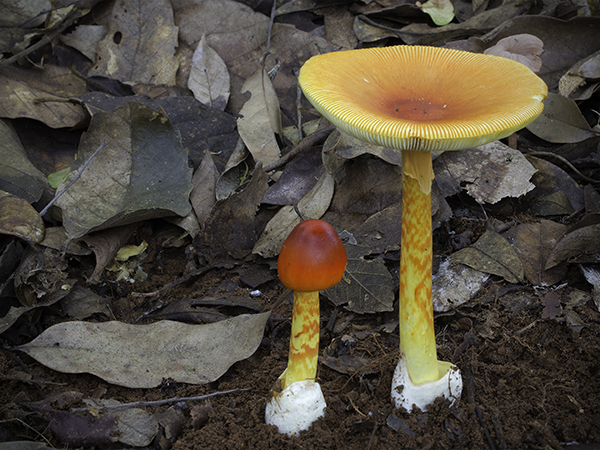
Figure 2. Amanita hemibapha (photo: Stephen Axford)
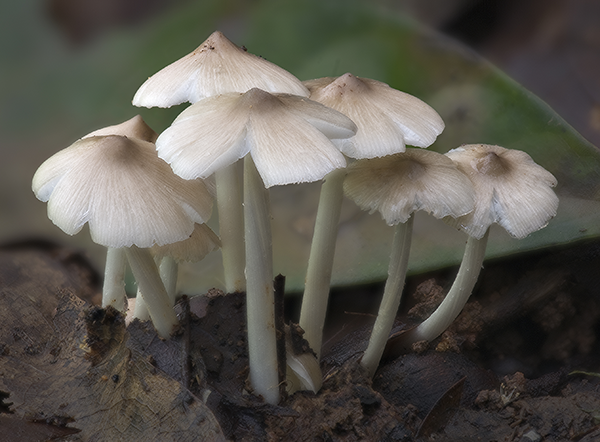
Figure 3. Termitomyces microcarpus (photo: Stephen Axford) |


Copyright © 2002-2025 Kunming Institute of Botany, Chinese Academy of Sciences. All rights reserved. [滇ICP备05000394号]
Address: 132 Lanhei Road, Kunming, Yunnan 650201, China Contact us